Would You Pay £350K for an Island? A Surveyor’s Take on Real Value
Like many in property, we love a quirky listing! But when an island near Portmeirion hit the headlines recently, it got us thinking seriously about value beyond the guide price.
Ynys Gifftan, a tidal island in the Dwyryd Estuary, is on the market for around £350,000 (at the time of writing) — roughly the cost of a modest family home in many places across the UK — yet carries challenges and surprises few mainland properties ever would.
Let’s unpack some of the features that affect value in such a unique asset.
1. Guide Price ≠ Market Value (in the usual sense)
£350,000 may seem a steal for almost 18 acres, panoramic views of Snowdonia, and an abandoned Victorian farmhouse — and in some regions that might buy just a small flat. Yet with no mains electricity, limited water facilities and extensive renovation required, the real cost becomes more than just purchase price.
True value = price + cost to make usable + carry costs + risk.
2. Access: Magical or Material Risk?
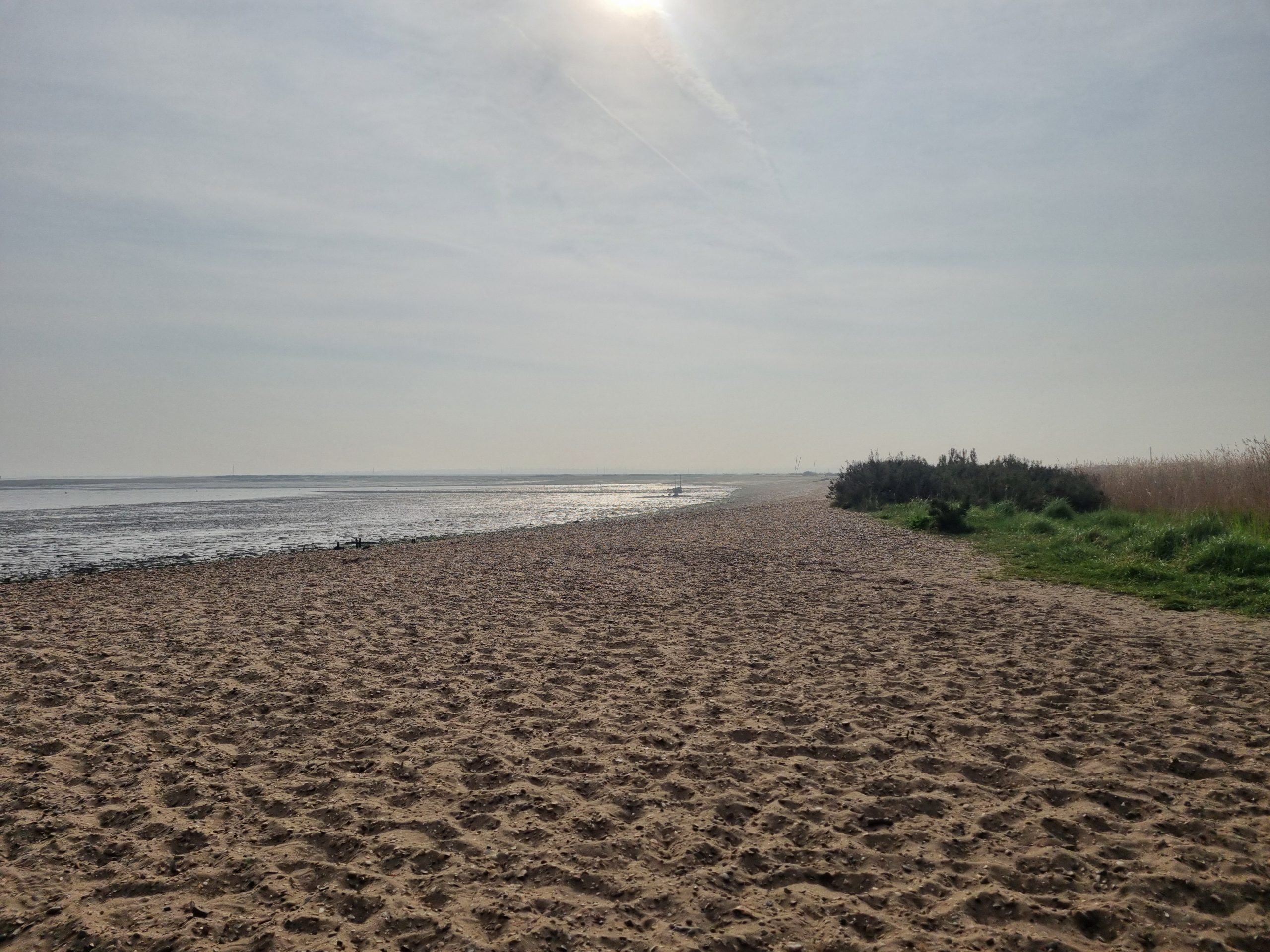
Here’s where the fun meets the fundamentals: Ynys Gifftan is tidal. At low tide you can walk across to the mainland; at high tide it’s boat-only access.
To a prospective owner that’s novel — to a lender, that’s risk. Surveyors would examine how access limits:
- viewings and inspections,
- costs for delivering materials,
- emergency access,
- future occupier convenience,
- insurance and lender appetite.
In property, access is a core value driver — and here it’s completely relative to the tides.
3. Exposure to the Elements & Flood Risk
Salt spray isn’t an aesthetic — it’s a maintenance cost. Coastal properties face accelerated deterioration, potential flood risk, and erosion pressures. Being within an estuary in Snowdonia also means rapid weather swings and potential regulatory constraints on interventions.
A full climate & coastal risk assessment isn’t optional — it’s essential.
4. Lender Risk and Insurability
Many high-street lenders take a cautious stance on “non-standard” dwellings:
properties with restricted access,
remote or unusual locations,
structures requiring major work,
and those with environmental risk.
Even if the purchase price is tempting, if finance isn’t available, the pool of buyers shrinks — which in turn affects value. Surveyors often bridge this gap by advising on lenders receptive to unique properties or on staged financing.
5. Opportunity Cost and Use Options
Is this a lifestyle retreat? A rental getaway? A financially productive investment — or just a dream? Valuers must explore:
potential use and planning,
cost to implement utilities,
rental or commercial revenue streams,
ongoing maintenance costs.
Unique assets often derive emotional value but may struggle to convert that into monetary value on resale.
Final Thought: Price vs. Value
What makes something valuable isn’t just its market price — but its utility, cost to operate, risk profile, and market demand. This island may be achievable on paper for the price of a regular home — but as surveyors we know that deliverability, cost, and risk are just as critical.
So, with everything we’ve discussed — from tides to lenders to long-term costs — would you buy an island like this?
Related Insights
May 7, 2026
Japanese Knotweed in the Spotlight – Why Awareness Matters for Homeowners and Landlords
This morning, Japanese knotweed was featured on BBC Morning Live and RIP Off Britain, helping to shine a light on an issue that continues to affect homeowners, landlords, buyers and property professionals across the UK. It’s encouraging to see mainstream coverage raising awareness of the risks associated with invasive plants, particularly Japanese knotweed, and the...
Read more
February 5, 2026
How Is Property Valued for Divorce Settlements?
When couples divorce or separate, property is often the most valuable and emotionally charged asset to be divided.
Read more