Property values dropping because of Japanese knotweed
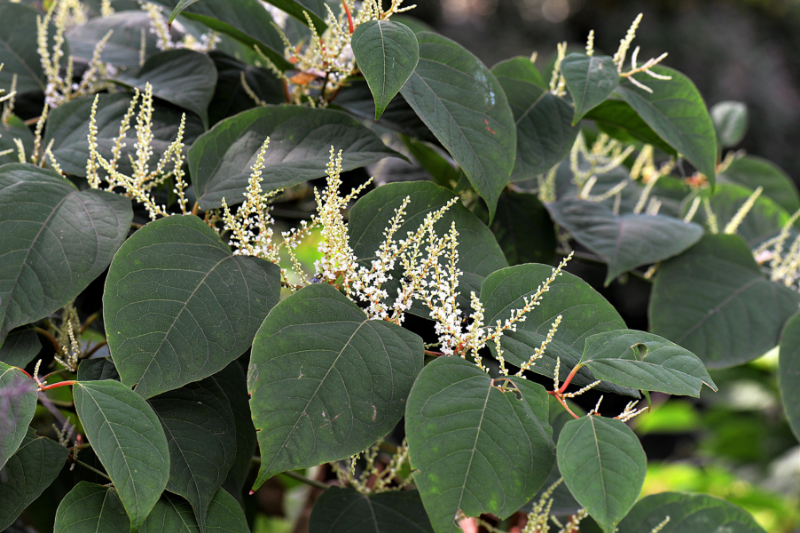
What problem is it causing?
The plant was first introduced to the UK in the mid-nineteenth century as an ornamental plant in parks and gardens but has since become a problem that cost Britain an estimated £200 million in 2018 alone.
The plant’s roots are so strong they can grow through the pavement, cracks in buildings and damage the foundations of houses. It’s can also be extremely difficult to eradicate, often needing treatment or excavation.
Despite the damaging effect this plant may have, recent research suggests that it “might not be as significant as previously believed.” Highlighting that there are other invasive plants that don’t have the same effect on house prices as Japanese knotweed.
Is the Japanese knotweed threat being overplayed?
By ms.admin
Related Insights
May 7, 2026
Japanese Knotweed in the Spotlight – Why Awareness Matters for Homeowners and Landlords
This morning, Japanese knotweed was featured on BBC Morning Live and RIP Off Britain, helping to shine a light on an issue that continues to affect homeowners, landlords, buyers and property professionals across the UK. It’s encouraging to see mainstream coverage raising awareness of the risks associated with invasive plants, particularly Japanese knotweed, and the...
Read more
February 24, 2026
Would You Pay £350K for an Island? A Surveyor’s Take on Real Value
Like many in property, we love a quirky listing! But when an island near Portmeirion hit the headlines recently, it got us thinking seriously about value beyond the guide price.
Read more