Japanese Knotweed in the Spotlight – Why Awareness Matters for Homeowners and Landlords
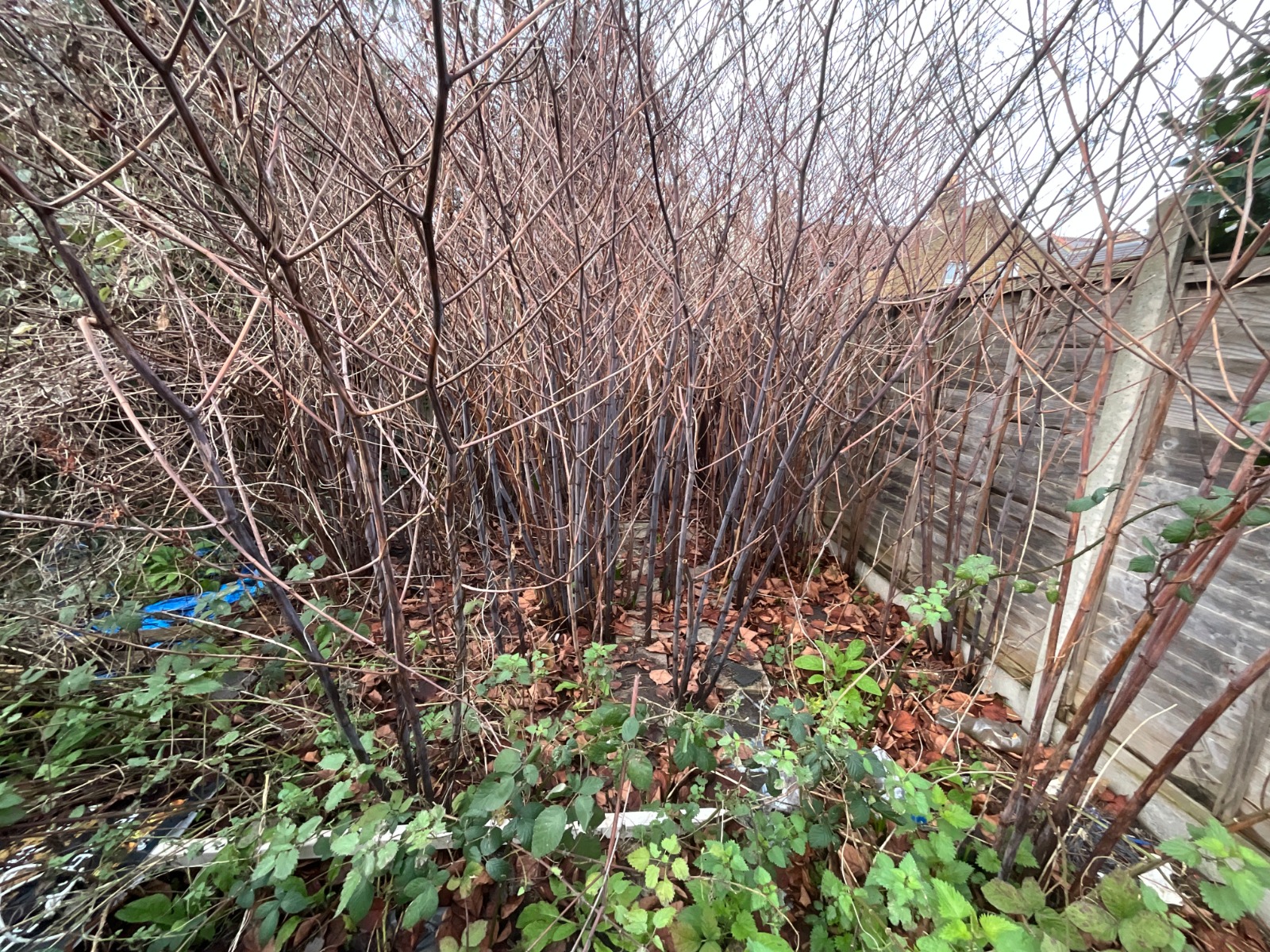
This morning, Japanese knotweed was featured on BBC Morning Live and RIP Off Britain, helping to shine a light on an issue that continues to affect homeowners, landlords, buyers and property professionals across the UK.
It’s encouraging to see mainstream coverage raising awareness of the risks associated with invasive plants, particularly Japanese knotweed, and the impact it can have on properties, mortgage applications, insurance, neighbour disputes and property sales.
For many people, the first time they hear about Japanese knotweed is when they are buying or selling a property. By that point, it can already feel overwhelming.
The reality is that understanding the plant, identifying it early and taking the correct action can make a significant difference.
Why is Japanese Knotweed such a concern?
Japanese knotweed is an invasive non-native species that spreads rapidly through underground rhizomes. Left unmanaged, it can:
- Exploit cracks in hard surfaces and weak points around structures
- Search for water sources including through drains causing issues
- Spread into neighbouring land
- Cause complications during property sales
- Impact mortgage lending decisions
- Lead to disputes between neighbours
- Create costly remediation requirements if ignored
There are also legal responsibilities for homeowners and landlords.
If Japanese knotweed spreads from your land onto neighbouring property, you could potentially be held liable for the damage and associated costs. Sellers are also expected to declare the presence of Japanese knotweed during the conveyancing process.
This is why early identification and professional advice are so important.
Awareness is improving
One positive takeaway from the Morning Live segment is that awareness is continuing to grow.
Historically, Japanese knotweed has often been misunderstood, with misinformation causing panic for homeowners. While it absolutely should be taken seriously, the key is informed management rather than fear.
Professional treatment plans, monitoring and specialist advice can help homeowners manage the issue effectively and maintain confidence during property transactions.
The earlier the problem is identified, the easier and more cost-effective it usually is to deal with.
It’s not just Japanese knotweed homeowners should watch for…
While Japanese knotweed gets the most media attention, it is far from the only invasive or problematic plant species that can affect properties and land.
Other species homeowners and landlords should keep an eye out for include:
Bamboo
Running bamboo can spread aggressively beneath fences, patios and neighbouring gardens if not properly contained. We are increasingly seeing disputes involving bamboo encroachment due to uncontrolled root systems.
Giant Hogweed
This invasive species presents both environmental and health risks. Contact with the sap can cause severe skin irritation and burns, particularly in sunlight.
Himalayan Balsam
Commonly found near waterways, Himalayan balsam spreads rapidly and can outcompete native species, contributing to erosion and environmental damage.
Horsetail
Often underestimated, horsetail is extremely difficult to eradicate due to its deep root system and ability to regrow from small fragments.
Ivy and Climbing Plants
While attractive in some settings, unmanaged ivy can damage brickwork, guttering, fencing and roofs over time.
What should property owners do if they find Japanese Knotweed?
If you suspect Japanese knotweed or another invasive species is present on your property:
- Avoid disturbing or attempting to remove it yourself! There can be penalties for wrongful disposal and it should be treated as “controlled waste.”
- Take photographs and monitor growth.
- Seek professional identification and advice from Specialist Japanese knotweed treatment contractors.
- Put a management plan in place early (a specialist contractor will help you with this).
- Keep records of treatment and inspections.
Acting early and honestly can help avoid larger costs and complications further down the line.
Final thoughts
It’s great to see national platforms like Morning Live and Rip off Britain helping to educate the public about Japanese knotweed and invasive plants.
The more awareness there is, the better equipped homeowners, landlords and buyers will be to identify issues early, understand their responsibilities and make informed decisions.
Japanese knotweed may be the headline plant, but it’s important to remember there are several other invasive species that can create problems for properties if left unchecked.
Knowledge, early action and professional guidance remain the best tools property owners can have.
Related Insights
October 6, 2026
Help to Buy Valuations: The Complete Process for Repaying or Selling
If you bought your home using a Help to Buy equity loan, there will come a point when you need to repay it — whether you’re selling, remortgaging, or simply paying off the loan to own your home outright. At that moment, one step becomes unavoidable: you’ll need a Help to Buy valuation carried out...
Read more
February 24, 2026
Would You Pay £350K for an Island? A Surveyor’s Take on Real Value
Like many in property, we love a quirky listing! But when an island near Portmeirion hit the headlines recently, it got us thinking seriously about value beyond the guide price.
Read more